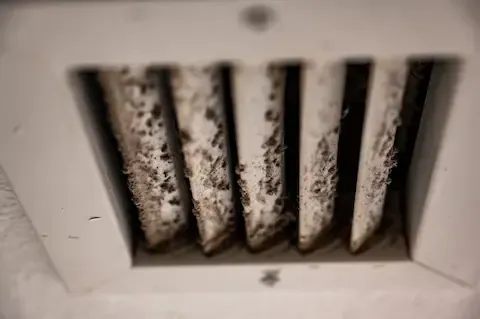
AC Condensate Pan Mold: The Hidden Source in Huntsville Homes
The condensate pan beneath your HVAC evaporator coil represents one of the most overlooked breeding grounds for mold in Huntsville homes. This shallow collection tray, designed to catch moisture from your air conditioning system's dehumidification process, creates perfect conditions for mold growth when not properly maintained. Many homeowners remain unaware that this hidden component can contaminate their entire air supply, making professional inspection and regular maintenance essential for indoor air quality.
Understanding AC Condensate Pan Function and Vulnerability
Your air conditioning system's condensate pan sits directly below the evaporator coil, collecting water that forms during the cooling process. In Huntsville's humid climate, this pan can accumulate substantial moisture daily, especially during peak summer months. The combination of constant moisture, organic debris, and warm temperatures creates an ideal environment for mold spores to establish colonies.
The pan connects to a drain line that should carry water away from the system. However, when this drainage becomes compromised through clogs, improper installation, or mechanical failure, standing water remains in the pan for extended periods. This stagnant water, combined with dust and organic matter that settles from the air stream, provides nutrients for mold growth.
Most condensate pans are constructed from metal or plastic materials that can develop biofilm layers over time. These biofilms act as protective barriers for mold colonies, making them particularly resistant to casual cleaning attempts. Once established, mold in the condensate pan can release spores directly into the air stream, contaminating your entire home's ventilation system.
Identifying Mold Growth in Condensate Pans
Visual inspection of the condensate pan requires accessing the air handler unit, typically located in basements, crawl spaces, or utility rooms. Professional HVAC Mold Remediation technicians use specialized tools to safely examine these components without compromising system integrity.
Early signs of condensate pan mold include discoloration ranging from black and green to brown patches along the pan's surface. You may notice a musty odor emanating from air vents, particularly when the system first activates. Water staining around the air handler unit can indicate overflow conditions that promote mold growth.
Advanced mold growth often appears as thick, fuzzy growths that may completely coat the pan's interior surfaces. In severe cases, mold colonies can extend into the drain line, creating blockages that worsen moisture retention. The presence of slime or biofilm indicates established bacterial growth that often accompanies mold contamination.
Professional Inspection Protocols
Certified mold inspection professionals use moisture meters to detect elevated humidity levels around the air handler unit. They examine the condensate pan using specialized lighting and photography equipment to document contamination extent. Air quality testing can determine whether mold spores from the condensate pan are circulating throughout the home's ventilation system.
Health Implications of Condensate Pan Mold
Mold growth in condensate pans poses significant health risks because contaminated air circulates directly through living spaces. Respiratory symptoms including coughing, wheezing, and throat irritation often worsen when the HVAC system operates. Individuals with asthma or allergies may experience more frequent or severe episodes.
Extended exposure to airborne mold spores from contaminated condensate pans can trigger systemic inflammatory responses. Headaches, fatigue, and concentration difficulties are common complaints among occupants of homes with HVAC mold contamination. Children and elderly residents face heightened vulnerability to these health effects.
Certain mold species that thrive in condensate pan environments produce mycotoxins, toxic compounds that can cause more serious health complications. Professional remediation becomes essential when testing reveals the presence of toxic mold varieties like Stachybotrys or Aspergillus species.
Cleaning and Remediation Procedures
Safe condensate pan cleaning requires proper safety equipment including respirators, gloves, and eye protection. The HVAC system must be completely shut down before beginning any cleaning procedures to prevent spore distribution through the ventilation system.
Professional cleaning involves removing standing water and visible debris from the pan using specialized vacuum equipment. Antimicrobial solutions designed for HVAC applications are applied to eliminate mold colonies and prevent regrowth. The drain line requires thorough cleaning to ensure proper water flow and prevent future backups.
Severe contamination may require complete condensate pan replacement, particularly when mold has penetrated porous materials or created structural damage. Professional remediation teams coordinate with HVAC technicians to ensure proper system integration and performance after component replacement.
Long-term Prevention Strategies
Regular maintenance schedules should include quarterly condensate pan inspections during Huntsville's humid seasons. Installing condensate pan treatments that inhibit microbial growth can provide ongoing protection against mold development. Ensuring proper drain line function through annual professional cleaning prevents moisture accumulation that enables mold growth.
Local Climate Considerations for Huntsville Residents
Huntsville's subtropical climate creates extended periods of high humidity that stress HVAC condensate systems beyond typical design parameters. Summer months often see continuous air conditioning operation, resulting in constant moisture production that can overwhelm undersized or poorly maintained drainage systems.
The Tennessee Valley's geographic location contributes to rapid temperature fluctuations that create condensation cycles within HVAC systems. These conditions require more frequent inspection and maintenance compared to drier climates. Local building codes and installation practices may not adequately address the unique mold growth challenges posed by regional humidity patterns.
Homeowners should understand that standard manufacturer recommendations for condensate pan maintenance may be insufficient for Huntsville's climate conditions. Professional guidance specific to regional environmental factors ensures appropriate maintenance schedules and prevention strategies.
Professional vs. DIY Remediation
While basic condensate pan cleaning might seem straightforward, proper mold remediation requires specialized knowledge and equipment. Professional remediation services understand the complex relationships between HVAC components and can address contamination without compromising system performance or creating cross-contamination.
DIY cleaning attempts often fail to address underlying moisture issues that enabled initial mold growth. Without proper diagnostic equipment, homeowners cannot determine contamination extent or verify successful remediation. Improper cleaning techniques can actually worsen mold distribution throughout the home.
Professional services provide comprehensive solutions that include source identification, proper remediation protocols, and prevention strategies. They understand local building codes and can coordinate necessary repairs with qualified HVAC contractors. Our HVAC mold removal guide for Huntsville provides additional insights into professional remediation approaches.
Long-term System Protection
Establishing regular professional maintenance relationships ensures ongoing system monitoring and early problem detection. Quality HVAC contractors familiar with mold prevention can recommend system upgrades that reduce condensate pan vulnerability.
Modern HVAC systems offer enhanced drainage options and antimicrobial treatments that significantly reduce mold growth potential. Upgrading aging systems provides improved humidity control and more reliable moisture management capabilities essential for preventing condensate pan contamination.
Proper remediation combined with ongoing professional maintenance protects both indoor air quality and HVAC system longevity, ensuring healthy comfortable living conditions throughout Huntsville's challenging climate seasons.
