The Complete Crawl Space Mold Remediation Guide for Huntsville Homes
Understanding Crawl Space Mold Problems in North Alabama
Crawl space mold represents one of the most persistent challenges facing Huntsville homeowners. The combination of North Alabama's humid subtropical climate, clay-rich soils, and seasonal temperature fluctuations creates an environment where moisture accumulates beneath homes, providing ideal conditions for mold growth. Understanding these unique regional factors is essential for effective remediation and long-term prevention.
Madison County's geology contributes significantly to crawl space moisture issues. The area's expansive clay soils retain water and create drainage challenges that direct moisture toward home foundations. During Huntsville's wet seasons, groundwater levels rise, increasing hydrostatic pressure against foundation walls and floors. This moisture finds its way into crawl spaces through concrete pores, foundation cracks, and gaps around penetrations.
The health implications of crawl space mold extend throughout your entire home. Air naturally flows upward from crawl spaces into living areas through a phenomenon called the stack effect. This means contaminated air from moldy crawl spaces circulates through your home's ventilation system, potentially affecting indoor air quality and occupant health. Symptoms may include respiratory irritation, allergic reactions, and worsened asthma conditions.
Professional crawl space assessment becomes crucial when you notice musty odors, visible mold growth, increased humidity levels, or health symptoms that correlate with time spent at home. Early intervention prevents extensive damage and reduces remediation costs significantly.
Comprehensive Mold Inspection and Assessment Process
Effective crawl space mold remediation begins with thorough inspection and assessment. This process involves multiple evaluation phases designed to identify the extent of contamination, moisture sources, and underlying structural issues that contribute to mold growth.
Visual inspection forms the foundation of crawl space assessment. Professionals examine all accessible surfaces including floor joists, subfloring, foundation walls, insulation, and mechanical systems. They document mold growth patterns, water stains, efflorescence on concrete surfaces, and signs of ongoing moisture intrusion. Photography captures conditions for documentation and progress tracking throughout remediation.
Moisture measurement provides critical data for understanding the scope of the problem. Professionals use specialized equipment including moisture meters for wood and concrete, hygrometers for relative humidity measurement, and thermal imaging cameras to identify hidden moisture areas. These measurements establish baseline conditions and help determine appropriate remediation strategies.
Air quality testing quantifies airborne mold spore concentrations and identifies specific mold species present in the crawl space. Surface sampling from suspected growth areas confirms contamination levels and guides remediation protocols. Environmental testing also includes comparison samples from outdoor air and unaffected areas of the home to establish natural background levels.
Structural assessment evaluates the condition of wooden framing members, subfloring, and foundation elements affected by moisture and mold. This evaluation determines whether structural repairs are necessary before or during remediation. Professionals assess insulation condition, vapor barrier integrity, and mechanical system impacts to develop comprehensive remediation plans.
Identifying Moisture Sources and Entry Points
Successful mold remediation requires identifying and addressing all moisture sources contributing to crawl space problems. Common moisture entry points in Huntsville homes include foundation cracks, poor drainage around the home perimeter, plumbing leaks, HVAC condensation, and inadequate ventilation systems.
Foundation issues often stem from settlement problems common in Madison County's clay soils. These soils expand and contract with moisture changes, creating stress on foundation walls that leads to cracking. Water enters through these cracks during heavy rainfall or when groundwater levels rise. Professional assessment includes examining the foundation exterior for proper drainage and waterproofing.
Plumbing systems running through crawl spaces present multiple failure points where leaks can occur. Supply lines, drain pipes, and water heater connections all pose potential moisture risks. Even small leaks can create significant humidity increases in enclosed crawl spaces, leading to widespread mold growth over time.
Professional Mold Removal and Cleaning Procedures
Professional mold removal in crawl spaces follows established protocols designed to safely eliminate contamination while preventing cross-contamination to living areas. These procedures require specialized equipment, protective measures, and systematic cleaning approaches tailored to crawl space environments.
Containment setup isolates the work area from the rest of the home using plastic sheeting and negative air pressure systems. This prevents mold spores from spreading during remediation activities. Air filtration units with HEPA filters continuously clean the air within the containment area, capturing airborne particles generated during cleaning.
Personal protective equipment requirements include full-face respirators, protective suits, gloves, and boot covers. These safety measures protect workers from mold exposure and prevent contamination transfer. All equipment and materials entering the containment area undergo decontamination procedures when removed.
Material removal begins with heavily contaminated items that cannot be effectively cleaned. This may include insulation, vapor barriers, damaged wood materials, and contaminated debris. Professionals follow specific disposal protocols for mold-contaminated materials, ensuring proper bagging and disposal methods.
Surface cleaning employs multiple techniques depending on the substrate and contamination level. Non-porous surfaces receive thorough cleaning with antimicrobial solutions, while porous materials may require more aggressive treatment or removal. Specialized cleaning products designed for mold remediation ensure effective spore elimination without creating harmful residues.
Wood treatment for structural members involves careful evaluation of damage extent. Lightly contaminated wood surfaces can often be cleaned and treated with antimicrobial coatings. However, heavily damaged or deeply penetrated wood may require replacement to ensure complete contamination removal and structural integrity.
Advanced Remediation Techniques
Some crawl space mold situations require advanced remediation techniques beyond standard cleaning procedures. These methods address severe contamination or unique challenging conditions commonly encountered in North Alabama homes.
Dry ice blasting removes mold contamination from wood surfaces without introducing additional moisture to the environment. This technique uses compressed air to propel dry ice pellets that sublimate on contact, removing contamination and surface material without chemical treatments. The process is particularly effective for cleaning floor joists and structural members.
Soda blasting provides another mechanical cleaning option that removes surface contamination while leaving underlying wood intact. This method works well for detailed cleaning of complex structures and areas where traditional cleaning methods prove insufficient.
Ozone treatment may supplement cleaning procedures by oxidizing organic compounds and eliminating odors associated with mold contamination. However, this treatment requires careful application and proper ventilation due to ozone's potential health impacts.
Crawl Space Encapsulation and Moisture Control Systems
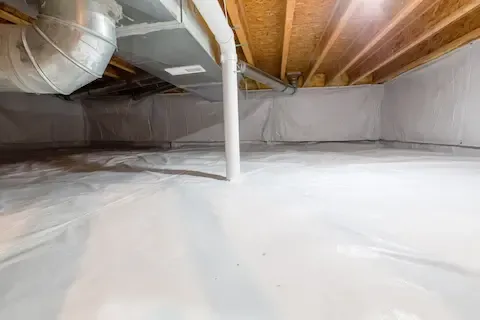
Crawl space encapsulation represents the most effective long-term solution for preventing mold recurrence in Huntsville homes. This comprehensive approach transforms the crawl space into a controlled environment that eliminates conditions conducive to mold growth.
Vapor barrier installation forms the foundation of encapsulation systems. High-quality polyethylene sheeting, typically 12-20 mil thickness, covers the entire ground surface and extends up foundation walls. Proper installation requires careful attention to seaming, sealing, and attachment methods to create a continuous moisture barrier.
Foundation wall treatment includes cleaning, sealing, and insulating as needed. Concrete block foundations may require additional sealing to prevent moisture wicking. Insulation placement moves from between floor joists to foundation walls, creating a more efficient thermal boundary and reducing condensation potential.
Air sealing eliminates pathways for outside air infiltration that brings moisture into the crawl space. This includes sealing around rim joists, penetrations for utilities, and any gaps in the building envelope. Proper air sealing works in conjunction with controlled ventilation to maintain optimal humidity levels.
Dehumidification systems maintain relative humidity below levels that support mold growth, typically below 60 percent. Properly sized dehumidifiers for crawl space applications can handle the moisture loads common in crawl space encapsulation Madison County projects while operating efficiently year-round.
Drainage improvements address water management around the foundation perimeter. This may include installing or improving gutters and downspouts, grading adjustments to direct water away from the foundation, and installing French drains or other subsurface drainage systems where needed.
Ventilation Strategy Considerations
Traditional crawl space ventilation strategies often prove counterproductive in North Alabama's climate. During summer months, outside air entering through foundation vents carries high moisture levels that condense when contacting cooler surfaces in the crawl space, creating ideal conditions for mold growth.
Conditioned crawl space approaches eliminate outside air ventilation and treat the crawl space as part of the home's conditioned environment. This strategy requires proper air sealing, insulation, and controlled humidity management but eliminates the moisture problems associated with ventilated crawl spaces.
Mechanical ventilation systems can supplement encapsulation by providing controlled air exchange when needed. These systems operate based on humidity sensors rather than continuous operation, providing ventilation only when beneficial for moisture control.
Post-Remediation Verification and Testing
Post-remediation verification ensures that mold removal efforts have successfully eliminated contamination and that conditions no longer support mold growth. This critical phase validates the effectiveness of remediation work and provides documentation for homeowner assurance.
Clearance testing follows established protocols for air sampling and surface testing in remediated areas. Air samples compare spore concentrations and species diversity between the treated crawl space and reference areas. Successful remediation typically results in spore levels equal to or lower than outdoor background levels.
Visual inspection confirms the absence of visible mold growth and verifies that all contaminated materials have been properly removed or cleaned. Photography documents final conditions for comparison with pre-remediation documentation. Any remaining stains or discoloration should be clearly identified as inactive.
Moisture level verification ensures that humidity and moisture content in materials remain within acceptable ranges. Wood moisture content should measure below 20 percent, and relative humidity should remain consistently below 60 percent following encapsulation completion.
Equipment performance testing verifies that dehumidification and ventilation systems operate according to specifications. This includes testing humidity controls, drain systems, and any automated monitoring equipment installed as part of the remediation project.
Documentation and Warranty Considerations
Comprehensive documentation provides essential records for warranty purposes and future reference. This documentation includes pre-remediation testing results, photographic evidence of conditions and work performed, post-remediation clearance testing, and equipment specifications and warranties.
Professional remediation companies typically provide warranties covering their work quality and materials used. Understanding warranty terms, duration, and conditions helps homeowners maintain coverage and address any future concerns appropriately.
Maintenance and Prevention Strategies
Long-term success of crawl space mold remediation depends on consistent maintenance and monitoring practices. Establishing regular inspection schedules and maintenance routines prevents small problems from developing into major contamination issues.
Monthly inspections should include checking dehumidifier operation, examining vapor barriers for damage, and monitoring humidity levels using installed gauges or handheld meters. Any changes in humidity patterns or equipment performance require immediate attention to prevent mold recurrence.
Seasonal maintenance addresses changing conditions throughout North Alabama's weather patterns. Spring inspections focus on drainage systems and foundation areas following winter freeze-thaw cycles. Summer maintenance emphasizes dehumidification system performance during peak humidity periods. Fall preparations include cleaning drainage systems and checking for any air leaks that might allow humid outside air infiltration.
Professional annual inspections provide expert evaluation of system performance and early identification of potential problems. These inspections can identify issues before they become serious problems and help maintain warranty coverage on remediation work.
Cost Considerations and Investment Protection
Understanding the costs associated with crawl space mold remediation helps homeowners make informed decisions about their investment in home health and safety. Costs vary significantly based on contamination extent, crawl space size, chosen remediation methods, and prevention systems installed.
Basic mold removal costs typically range from several thousand dollars for minor contamination to tens of thousands for extensive problems requiring structural repairs and complete encapsulation systems. However, these costs must be weighed against the ongoing expenses of health impacts, energy inefficiency, and potential structural damage from unaddressed moisture problems.
Encapsulation systems represent a significant upfront investment but provide substantial long-term benefits including improved energy efficiency, better indoor air quality, increased home value, and elimination of recurring mold problems. Many homeowners find that energy savings alone justify encapsulation costs over time.
Insurance considerations vary depending on policy terms and the cause of moisture problems. While insurance may not cover remediation costs for long-term moisture issues or maintenance-related problems, coverage may apply for sudden water damage events. Consulting with insurance representatives helps clarify coverage options.
Property value impacts favor homes with properly remediated and encapsulated crawl spaces. These improvements demonstrate proactive maintenance, provide documented air quality benefits, and offer energy efficiency advantages that appeal to potential buyers.
Professional Selection and Project Management
Selecting qualified professionals for crawl space mold remediation ensures proper work quality, safety compliance, and long-term success. The remediation industry includes various service providers with different qualifications, experience levels, and service approaches.
Certification requirements provide important indicators of professional competency. Look for certifications from recognized organizations such as the Institute of Inspection, Cleaning and Restoration Certification (IICRC), National Association of Mold Remediators and Inspectors (NAMRI), or similar industry organizations. These certifications require training, testing, and ongoing education commitments.
Experience with crawl space projects specifically matters significantly due to the unique challenges these environments present. Professionals familiar with North Alabama conditions understand local moisture patterns, soil conditions, and construction practices that influence remediation approaches.
Insurance and bonding protection safeguards homeowners against potential liability and work quality issues. Verify that contractors carry appropriate general liability insurance and workers' compensation coverage. Bonding provides additional protection against incomplete or substandard work.
References and portfolio review provide insights into work quality and customer satisfaction. Request recent project examples similar to your situation and contact references to discuss their experience with the contractor's professionalism, work quality, and follow-up service.
