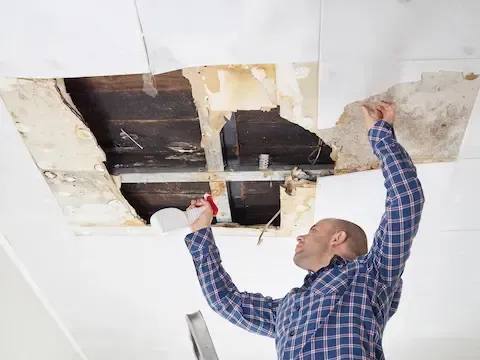
When Mold Becomes an Emergency: Huntsville's 24/7 Response Guide
Mold doesn't follow business hours. A pipe bursts at 2 a.m., flooding a basement or bathroom wall cavity, and by the time morning arrives the conditions for rapid fungal growth are already in motion. In Huntsville, where summer humidity regularly climbs above 70 percent and storm events can push moisture into homes in minutes, the window between a water intrusion event and a full-scale mold problem can be disturbingly short. Knowing when mold crosses from a maintenance concern into a genuine emergency — and what to do in those first critical hours — can mean the difference between a contained remediation and a months-long restoration project.
What Separates a Mold Problem from a Mold Emergency
Not every mold discovery demands a same-day response, but several situations clearly do. Understanding the distinction helps you act with the right urgency rather than either panicking unnecessarily or waiting too long when speed genuinely matters.
A routine mold problem typically involves a small isolated patch — usually less than 10 square feet — in a low-traffic area, with no accompanying health symptoms and a moisture source that is already controlled. You have time to schedule an assessment and plan remediation properly.
A mold emergency involves one or more of the following:
- Active water intrusion — a burst pipe, roof breach, or flooded space where moisture is still entering or sitting
- Visible mold covering more than 10 square feet across multiple surfaces or rooms
- HVAC contamination — mold visible in or near ducts, air handlers, or return vents, which can distribute spores throughout the entire structure
- Acute health symptoms in occupants — severe respiratory distress, persistent headaches, or worsening asthma or allergy reactions that correlate with time spent in the building
- Black or dark green mold in a high-occupancy space such as a bedroom, nursery, or main living area
- Post-flood conditions where porous materials like drywall, insulation, or subfloor have been saturated for more than 24 to 48 hours
If your situation matches any item on that list, you are dealing with a mold emergency and should contact a remediation team capable of same-day response.
Why Huntsville's Climate Accelerates Mold Growth After Water Events
Huntsville sits in a climate zone where warm, moist air is the norm for a significant portion of the year. The Tennessee Valley's geography funnels humidity through the region, and storm systems rolling off the Cumberland Plateau can deliver heavy rainfall with little warning. That combination creates specific challenges for homeowners dealing with water intrusion.
Mold spores — which exist naturally in the air at all times — only need three things to colonize a surface: moisture, an organic food source (drywall paper, wood framing, carpet backing), and temperatures above roughly 40 degrees Fahrenheit. Huntsville's summers routinely deliver all three in abundance. Under ideal conditions, certain mold species can begin surface colonization within 24 to 48 hours of a wetting event. Within 72 hours, structural materials can become deeply contaminated, and remediation scope expands significantly.
The practical implication is that in Huntsville, waiting a weekend to call someone about water damage that entered a wall cavity or subfloor is not a neutral decision — it is a decision that actively increases the eventual remediation cost and health risk.
What 24/7 Emergency Mold Response Actually Includes
When you call for Emergency Mold Services in the middle of the night or over a holiday weekend, the response sequence follows a defined protocol rather than a simplified version of normal service. Here is what legitimate same-day emergency response involves.
Initial assessment and containment setup. The first priority is establishing negative air pressure containment around the affected area. This means sealing doorways and openings with poly sheeting and running HEPA-filtered air scrubbers that exhaust contaminated air outside the building. This step prevents cross-contamination to unaffected areas during the remediation work itself.
Moisture mapping. Technicians use thermal imaging cameras and calibrated moisture meters to trace exactly where water has traveled inside wall cavities, beneath flooring, and above ceiling planes. Visible mold is almost always a symptom of a larger hidden moisture problem, and treating only the visible surface without addressing the full moisture footprint leads to recurrence.
Controlled demolition of compromised materials. Saturated or contaminated drywall, insulation, and in some cases subfloor panels must be removed and bagged for disposal according to EPA mold remediation guidelines. Emergency response teams are equipped to perform this step immediately rather than scheduling a separate visit.
Antimicrobial treatment and HEPA vacuuming. Structural components that can be retained — framing lumber, concrete block, tile backer — are treated with EPA-registered antimicrobial agents and vacuumed with HEPA equipment to remove residual spore load.
Drying and dehumidification staging. Industrial desiccant or refrigerant dehumidifiers and high-velocity air movers are staged to bring affected materials to target moisture content. In Huntsville's humid summers, standard consumer dehumidifiers do not deliver sufficient capacity for a structural drying event.
Clearance documentation. Before containment is removed, air sampling is performed to confirm that spore counts in the treated area have returned to or below ambient outdoor levels. This documentation protects you during any insurance claim and confirms the remediation was effective.
What You Should Do Before the Crew Arrives
Response time matters, but the 30 to 90 minutes between your call and a team's arrival is not dead time. There are specific steps you can take to slow mold progression and protect your household without entering affected areas unnecessarily.
- Stop the water source if safe to do so. Shut off the supply valve to a broken pipe or close an interior storm shutter. Do not enter a space with standing water if there is any possibility of electrical hazard.
- Turn off the HVAC system. If the mold is anywhere near a return air vent or the air handler, running the system circulates spores through every duct in the house. Switch the system off until the remediation team can assess whether the HVAC is involved.
- Close interior doors to the affected area. This is a low-tech but effective way to reduce cross-contamination before professional containment is established.
- Move people and pets out of the affected space. Mold spore counts inside a contaminated room during an active event can be orders of magnitude higher than background levels. Limit exposure, especially for children, elderly occupants, and anyone with respiratory conditions.
- Document with photographs. Take clear photos and video of visible mold, affected surfaces, and any obvious water intrusion points before anything is disturbed. This documentation is valuable for insurance purposes.
- Do not use bleach or spray the area. Consumer-grade bleach does not penetrate porous materials effectively, can off-gas harmful fumes in enclosed spaces, and may actually spread contamination by aerosolizing spores. Leave surface treatment to the remediation crew.
Common Emergency Mold Scenarios in Huntsville Homes
Certain situations generate emergency mold calls more frequently than others in the Huntsville area. Recognizing your situation within a known pattern can help you communicate clearly with the response team.
Crawl space flooding after heavy rain. Huntsville's hilly terrain in areas like Monte Sano and the older neighborhoods south of downtown means many homes have crawl spaces that collect runoff during significant storms. A flooded crawl space saturates floor joists and subfloor sheathing rapidly, and the confined space with minimal ventilation creates ideal mold conditions within 24 to 48 hours.
Attic mold from HVAC condensation or roof breaches. Improperly vented bath fans, roof damage from severe weather, and condensation on poorly insulated ductwork are common attic mold triggers in this region. Because attics are rarely inspected, these situations often go undetected until a home inspection or significant odor becomes apparent.
Bathroom and kitchen mold after plumbing failures. Supply line failures under sinks and behind toilets — common in older homes in Huntsville neighborhoods like Twickenham Historic District or Blossomwood — can saturate wall cavities before the leak is discovered, especially in second-story bathrooms where the water migrates into floor and ceiling assemblies below.
Post-storm basement water intrusion. Homes in lower-lying areas of Madison County with finished basements are vulnerable to rapid mold development after heavy rainfall events when water enters through foundation cracks or window wells.
Navigating Insurance During a Mold Emergency
Insurance coverage for mold remediation varies significantly, and a mold emergency is not the time to discover the limits of your policy. Here is what you need to know to move quickly without compromising a future claim.
Most standard homeowner's policies in Alabama cover mold remediation when it results directly from a covered peril — a sudden burst pipe, storm-related roof damage, or similar event. Mold that develops due to long-term neglect or gradual leaks is typically excluded. The key phrase in most policies is "sudden and accidental."
Report the event to your insurer as soon as you have made the initial emergency call. Many policies require prompt notification, and delays can be used to dispute claims. Request that the remediation company document the water intrusion event thoroughly, including moisture readings, thermal images, and a written scope of work. This documentation package supports your claim and reduces the likelihood of a coverage dispute.
Understand that your insurer may send their own adjuster to assess the damage before authorizing full scope, but emergency stabilization — stopping active water intrusion, establishing containment, beginning drying — is typically covered as mitigation and can proceed before full claim approval.
Choosing a Response Team for a Genuine Emergency
When mold crosses into emergency territory, the qualifications of the crew you call directly affect the outcome. Several markers distinguish legitimate emergency remediation providers from general contractors who handle mold as a sideline.
Look for IICRC certification — specifically the Applied Microbial Remediation Technician (AMRT) credential — which indicates specific training in mold remediation protocols. Confirm that the company carries both general liability insurance and pollution liability insurance, the latter being essential for mold-specific work. Ask whether the company performs post-remediation clearance testing or whether that is subcontracted, and verify that any air sampling is performed by an independent industrial hygienist rather than the same company doing the remediation work, which creates a conflict of interest.
In Huntsville and throughout Madison County, reputable mold remediation providers maintain equipment and staffing for genuine 24/7 response, not just an answering service that schedules a next-morning visit. Confirm actual same-day availability when you call.
What Recovery Looks Like After Emergency Remediation
Once emergency remediation is complete and clearance testing confirms the space is clean, the restoration phase begins. This involves rebuilding removed drywall and insulation, repainting, and potentially replacing flooring or cabinetry depending on the extent of contamination. In many cases, the remediation contractor coordinates with a restoration company for the rebuild, or your general contractor can take over once clearance documentation is in hand.
The timeline for restoration varies widely. A contained bathroom mold event remediated quickly might return to full function within a week. A whole-basement or crawl space event that was not caught early can require several weeks of drying, remediation, and rebuilding. The single most significant factor in recovery timeline and cost is how quickly the emergency response began after the initial water event.
If you're uncertain whether your current situation qualifies as an emergency or want to understand what a professional assessment covers, reviewing what a standard can tell you about site conditions is a reasonable first step toward knowing what you are actually dealing with.
The core principle across every emergency mold situation is straightforward: mold grows faster than most homeowners expect, and in Huntsville's climate, the gap between a manageable problem and a structural remediation event is measured in hours, not days. Acting with the right urgency — and knowing exactly what to do in those first hours — is the most effective protection you have.
