HVAC Mold Removal: Complete Guide for Huntsville AL Homeowners
Discovering mold in your HVAC system can be alarming, but it's more common than you might think in Huntsville's humid climate. Your heating and cooling system creates the perfect environment for mold growth through moisture accumulation, temperature fluctuations, and organic debris that settles in ductwork over time. Understanding how to identify, remove, and prevent HVAC mold contamination protects your family's health and maintains your system's efficiency throughout Alabama's extended cooling seasons.
Understanding HVAC Mold in Huntsville's Climate
Huntsville's subtropical climate creates ideal conditions for mold growth within HVAC systems. The combination of high humidity levels, frequent temperature changes between heating and cooling seasons, and condensation buildup provides everything mold spores need to establish colonies in your ductwork, air handler, and related components.
Mold typically develops in several key areas of your HVAC system. Air ducts accumulate dust, debris, and moisture that support mold growth, particularly in areas where condensation regularly occurs. The evaporator coil becomes a prime location for contamination due to constant moisture exposure during cooling operations. Condensate pans and drain lines frequently harbor mold colonies when water stands stagnant or drainage becomes blocked.
Your air handler cabinet, especially areas around the blower motor and housing, can develop mold problems when moisture infiltrates through gaps or damaged seals. Return air vents and supply registers also become contaminated when mold spores circulate through the system and settle in these accessible locations.
Professional HVAC Mold Remediation services become necessary when contamination spreads beyond surface-level cleaning or affects multiple system components simultaneously.
Health Risks and Warning Signs
HVAC mold contamination poses serious health risks because contaminated air circulates throughout your entire living space every time your system operates. Family members may experience respiratory symptoms including persistent coughing, sneezing, throat irritation, and difficulty breathing. Individuals with asthma, allergies, or compromised immune systems face heightened risks from prolonged exposure to airborne mold spores.
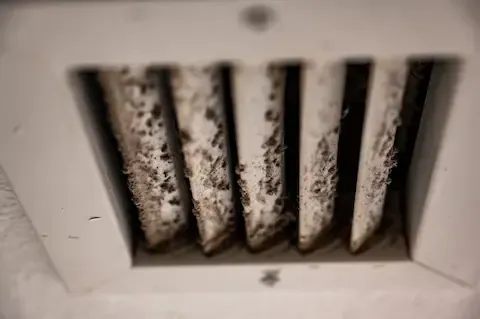
Visual indicators often provide the first evidence of HVAC mold problems. Check your air vents and registers for visible dark spots, fuzzy growth, or discoloration around the edges. Remove vent covers periodically to inspect the interior surfaces and immediate ductwork areas for signs of contamination.
Musty odors represent another clear warning sign, particularly when the smell intensifies immediately after your system starts running. These odors typically indicate established mold colonies releasing volatile organic compounds into your air stream.
System performance changes can also signal mold problems. Reduced airflow, uneven temperature distribution, or increased allergy symptoms when the HVAC system operates suggest contamination may be restricting proper air circulation or introducing contaminants into your indoor environment.
Professional Assessment Requirements
Extensive mold contamination requires professional evaluation to determine the full scope of the problem and develop appropriate remediation strategies. Professional technicians use specialized equipment including borescopes to inspect internal ductwork, moisture meters to identify problem areas, and air quality testing to assess spore concentrations throughout your home.
DIY Cleaning for Minor Contamination
Limited surface mold on accessible components like vent covers and return air grilles can often be addressed through careful DIY cleaning procedures. Begin by turning off your HVAC system completely and removing the affected vent covers or grilles for thorough cleaning in a well-ventilated area away from your living spaces.
Clean removable components using a solution of one part white vinegar to one part water, scrubbing gently with a soft brush to remove visible mold growth. Avoid bleach solutions on metal components, as chlorine can cause corrosion and damage to your system materials. Rinse thoroughly and allow components to dry completely before reinstallation.
Replace your air filter immediately when addressing any HVAC mold issues, as contaminated filters will continue spreading spores throughout your system. Choose high-efficiency filters rated MERV 8 or higher to capture smaller particles and mold spores more effectively.
Clean accessible portions of your air handler cabinet using the same vinegar solution, paying particular attention to areas around the blower motor and any visible moisture accumulation spots. Ensure all cleaned areas dry completely before restoring power to your system.
Safety Precautions for DIY Work
Wear appropriate protective equipment including N95 respirator masks, eye protection, and disposable gloves when cleaning any mold-contaminated HVAC components. Work in well-ventilated areas and avoid spreading contaminated materials to clean areas of your home during the cleaning process.
Professional Remediation Process
Professional HVAC mold remediation involves systematic contamination removal using specialized equipment and techniques that ensure complete elimination without spreading spores to unaffected areas. Certified technicians begin with comprehensive system inspection using advanced diagnostic tools to map contamination extent and identify underlying moisture sources.
The remediation process typically starts with complete system shutdown and containment setup to prevent cross-contamination during cleaning procedures. Professional-grade negative air machines create controlled airflow that captures airborne spores released during the cleaning process.
Ductwork cleaning involves powerful vacuum systems with HEPA filtration to remove contaminated debris, followed by antimicrobial treatments applied to all affected surfaces. Severely contaminated duct sections may require complete replacement when cleaning cannot effectively eliminate established colonies.
Air handler remediation includes thorough cleaning of the evaporator coil, blower components, and cabinet interior using specialized cleaning solutions designed for HVAC applications. Condensate pans receive complete disinfection, and drain lines undergo clearing and sanitization to prevent future moisture problems.
Professional services conclude with post-remediation testing to verify successful contamination removal and system restoration to safe operating conditions.
Preventing Future HVAC Mold Problems
Effective mold prevention focuses on controlling the moisture conditions that support mold growth within your HVAC system. Regular maintenance including filter changes every 1-3 months helps maintain proper airflow and reduces the organic debris that feeds mold colonies.
Monitor and maintain proper humidity levels throughout your Huntsville home, keeping indoor relative humidity between 30-50% during cooling season operation. Use bathroom exhaust fans, kitchen ventilation, and dehumidifiers as needed to control moisture sources that can overwhelm your HVAC system's capacity.
Schedule annual professional HVAC maintenance that includes thorough system inspection, coil cleaning, and condensate drain clearing. Professional technicians can identify and address minor moisture issues before they develop into significant mold problems.
Ensure your system operates efficiently by maintaining clear airflow around outdoor units, keeping supply and return vents unobstructed, and addressing any ductwork damage that allows moisture infiltration or air leakage.
Seasonal Maintenance Considerations
Alabama's climate requires particular attention to system maintenance during transition periods between heating and cooling seasons. Condensation buildup during these periods can create ideal conditions for rapid mold development if moisture control measures aren't maintained consistently.
When to Replace vs. Clean Components
Certain HVAC components may require replacement rather than cleaning when mold contamination reaches advanced stages. Flexible ductwork often cannot be effectively cleaned when mold penetrates the interior surface material, making complete replacement the only viable solution for thorough contamination removal.
Insulation materials within ducts or air handlers typically require replacement when contaminated, as mold can penetrate deeply into fibrous materials where cleaning solutions cannot reach. Similarly, air filters showing any signs of mold growth should always be replaced rather than cleaned.
Evaporator coils with extensive mold growth may need replacement if cleaning cannot restore proper heat transfer efficiency or if structural damage has occurred due to prolonged contamination exposure. Professional assessment helps determine whether cleaning or replacement provides the most cost-effective long-term solution.
Consider component age and overall system condition when making replacement decisions. Older components nearing end-of-life may warrant replacement during remediation rather than investing in cleaning procedures for equipment that will soon require replacement anyway.
Cost Considerations and Planning
HVAC mold remediation costs vary significantly based on contamination extent, system size, and required procedures. Minor cleaning of accessible components may cost several hundred dollars, while comprehensive system remediation including ductwork replacement can reach several thousand dollars.
Factor in the long-term health costs and system efficiency impacts when evaluating remediation investments. Professional remediation typically provides lasting solutions that protect your family's health and maintain system performance, while inadequate cleaning may require repeated treatments and ongoing health risks.
Many homeowner's insurance policies may cover mold remediation costs when contamination results from covered perils like plumbing leaks or storm damage. Review your policy coverage and document all contamination evidence to support potential insurance claims.
Consider timing remediation work during moderate weather periods when you can temporarily shut down your HVAC system without extreme discomfort. Spring and fall seasons often provide optimal conditions for extensive system work in Huntsville's climate.
Maintaining Long-term System Health
Successful HVAC mold prevention requires ongoing attention to system maintenance and environmental controls throughout your home. Develop regular inspection routines that include monthly visual checks of accessible vents, quarterly filter replacements, and annual professional system evaluations.
Monitor your home's indoor air quality using humidity gauges and be alert to changes in air freshness or the development of musty odors that might indicate developing mold problems. Address moisture sources promptly, including roof leaks, plumbing problems, or inadequate ventilation that can contribute to HVAC system contamination.
Keep detailed maintenance records including service dates, filter changes, and any identified issues to help track system performance and identify patterns that might indicate developing problems.
Work with qualified HVAC professionals who understand mold prevention strategies and can provide guidance on system modifications or improvements that reduce contamination risks. Regular professional maintenance relationships help ensure problems are identified and addressed before they become major remediation projects.
Understanding HVAC mold removal and prevention empowers you to maintain a healthy indoor environment throughout Huntsville's challenging climate conditions. Whether addressing minor surface contamination or coordinating professional remediation services, prompt action protects your family's health and preserves your HVAC system's efficiency and longevity. Regular maintenance, moisture control, and professional support when needed ensure your home's air quality remains safe and comfortable year-round.
