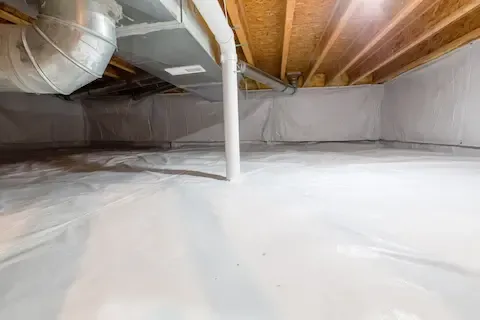
Vapor Barriers and Crawl Space Mold Prevention in Madison County
Madison County's clay soil and high humidity create perfect conditions for crawl space moisture problems, yet most vapor barrier installations fail within the first two years. The difference between a successful moisture control system and expensive mold remediation comes down to understanding local soil conditions and proper material specifications.
Understanding Madison County Soil and Moisture Challenges
The clay-heavy soil throughout Madison County creates unique challenges for crawl space moisture control. Unlike sandy soils that drain quickly, clay retains water and creates hydrostatic pressure against foundation walls. This pressure pushes moisture through concrete blocks and creates condensation problems that standard vapor barriers cannot handle.
Local building codes require minimal vapor barrier specifications that work in drier climates but fall short in North Alabama's humid conditions. The 6-mil plastic sheeting commonly used meets code requirements but lacks the durability and moisture resistance needed for long-term protection in this region.
Huntsville area homes built between 1970 and 2000 often have inadequate foundation ventilation systems that compound moisture problems. These homes typically feature small foundation vents that cannot provide sufficient air circulation during humid summer months, leading to stagnant air and increased condensation.
Vapor Barrier Material Specifications That Actually Work
Effective vapor barrier systems in Madison County require 12-mil or thicker reinforced polyethylene with low permeability ratings. The material should have a permeance rating of 0.1 perms or lower to effectively block moisture transmission from soil and foundation walls.
Seam sealing becomes critical in high-humidity environments like ours. Standard duct tape fails within months when exposed to moisture, while specialized vapor barrier tape maintains its seal for years. Professional installations use double-sided butyl tape or acoustical sealant for permanent seam connections.
Wall attachment systems must account for seasonal foundation movement common in clay soil areas. Mechanical fasteners with gasket washers provide secure attachment while allowing slight movement without tearing the barrier material. The barrier should extend at least 6 inches up foundation walls and be sealed with polyurethane caulk.
Installation Mistakes That Lead to Mold Growth
The most common installation error involves inadequate ground preparation. Crawl spaces with standing water, high spots, or debris puncture vapor barriers and create entry points for moisture. Proper preparation requires grading the soil to eliminate low spots and removing all organic debris that can decompose and create humidity.
Incomplete coverage allows moisture to bypass the barrier system entirely. Many installations leave gaps around pier supports, utility penetrations, or along foundation walls. These gaps create pathways for ground moisture to enter the crawl space and condense on cooler surfaces.
Poor ventilation management compounds vapor barrier effectiveness. Simply installing a barrier without addressing air circulation creates trapped moisture problems. Crawl space encapsulation systems work better than traditional vented approaches in our climate because they eliminate humid outside air infiltration.
Crawl Space Encapsulation vs. Traditional Vapor Barriers
Traditional vapor barriers only address ground moisture while ignoring humidity from outside air infiltration. In Madison County's climate, outside air carries significant moisture that condenses on cooler crawl space surfaces during summer months.
Complete encapsulation systems seal the crawl space from outside air and include dehumidification to maintain proper humidity levels year-round. These systems cost more initially but prevent the moisture problems that lead to expensive mold remediation projects.
Encapsulation also improves energy efficiency by eliminating the stack effect that draws humid outside air into the home. Huntsville homeowners typically see reduced utility bills and improved indoor air quality with properly installed encapsulation systems.
Dehumidification Requirements
Encapsulated crawl spaces require mechanical dehumidification to maintain humidity levels below 60%. Sizing calculations must account for the space volume, air exchange rate, and seasonal moisture loads specific to our region.
Preventing Common Moisture Entry Points
Foundation wall penetrations for utilities create moisture entry points that standard installations often overlook. Proper sealing requires removing old caulk, cleaning surfaces, and applying polyurethane sealant that remains flexible as foundations settle.
Rim joist areas where floor joists meet foundation walls require special attention. These areas experience significant temperature fluctuations that create condensation problems. Insulation and air sealing in these areas prevents warm, humid air from contacting cool surfaces.
Crawl space doors and access points must be properly sealed and insulated to prevent outside air infiltration. Standard plywood covers allow significant air leakage, while insulated metal doors with gasket seals provide effective barriers against outside moisture.
Maintenance and Monitoring for Long-Term Success
Annual inspections help identify potential problems before they develop into mold issues. Check for tears in the vapor barrier, failed seam seals, and signs of moisture infiltration around penetrations and wall attachments.
Humidity monitoring provides early warning of system failures. Crawl space humidity should remain below 60% year-round. Higher readings indicate air leakage, dehumidification problems, or barrier failures that require immediate attention.
Professional maintenance includes checking dehumidifier operation, cleaning condensate drains, and verifying that all seals remain intact. Regular maintenance prevents small problems from developing into major moisture issues that require expensive remediation.
When to Consider Professional Installation
Complex crawl space layouts with multiple levels, numerous penetrations, or drainage issues require professional expertise to ensure proper moisture control. DIY installations often fail at critical connection points that allow moisture infiltration.
Homes with existing mold problems need professional assessment to identify all moisture sources and ensure proper remediation before installing new vapor barriers. Installing barriers over existing mold problems traps moisture and creates worse conditions.
Professional installations include comprehensive moisture analysis, proper material selection, and warranties that protect your investment. Consider professional help if your complete crawl space mold remediation guide reveals extensive moisture problems or previous installation failures.
Investment Protection Through Proper Moisture Control
Effective vapor barrier systems protect your home's structural components and indoor air quality while reducing energy costs. The investment in proper materials and installation methods pays for itself through prevented damage and improved comfort.
Madison County's challenging soil and climate conditions require vapor barrier systems designed for local conditions rather than minimum code requirements. Understanding these challenges and investing in appropriate solutions prevents costly mold problems and maintains healthy indoor environments for years to come.
