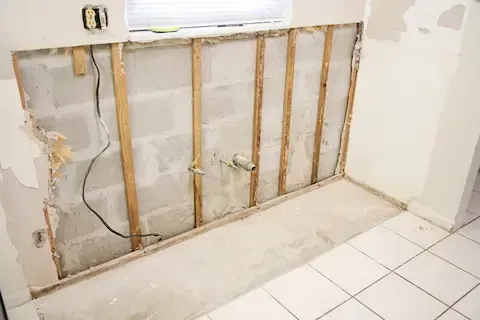
Water Damage and Mold Prevention: The Huntsville Homeowner's Playbook
Water damage and mold growth create a dangerous cycle that threatens your Huntsville home's structural integrity and your family's health. The Tennessee Valley's unique climate conditions, with high humidity levels and intense storm seasons, make North Alabama properties particularly vulnerable to moisture-related problems. Understanding how to break this cycle through proper prevention, early detection, and swift response can save you thousands in repair costs while protecting your most valuable investment.
Understanding Tennessee Valley Climate Challenges
The Tennessee Valley region presents unique moisture challenges that Huntsville homeowners must navigate year-round. Summer humidity levels frequently exceed 80%, creating ideal conditions for mold spore activation and rapid growth. Your home's building materials, including drywall, insulation, and wooden framing, act like sponges in these conditions, absorbing excess moisture from the air.
Spring and fall bring additional risks through severe weather patterns. The collision of warm, moist air from the Gulf of Mexico with cooler northern air masses creates the perfect storm conditions that regularly impact North Alabama. These weather events can overwhelm your home's drainage systems, compromise roof integrity, and introduce water through multiple entry points simultaneously.
Winter months shouldn't be overlooked either. Heating systems create temperature differentials that lead to condensation problems, particularly in poorly insulated areas like crawl spaces, attics, and exterior walls. This seasonal moisture buildup often goes undetected until significant mold colonies have established themselves.
Primary Water Entry Points and Prevention
Your roof represents the first line of defense against water intrusion, but it's also the most commonly compromised area during Tennessee Valley storms. Regular inspection of shingles, flashing, and gutters prevents small issues from becoming major water damage events. Pay special attention to areas around chimneys, skylights, and roof valleys where multiple surfaces meet.
Foundation vulnerabilities develop gradually but can cause extensive damage when severe weather strikes. Proper grading around your home's perimeter ensures water flows away from foundation walls rather than pooling against them. Installing and maintaining proper drainage systems, including French drains where necessary, redirects groundwater away from your home's vulnerable areas.
Windows and doors require attention to both their structural integrity and their sealing systems. Weather stripping degrades over time, creating entry points for wind-driven rain. Regular inspection and replacement of these sealing materials prevents moisture infiltration that can compromise interior walls and create hidden mold growth areas.
Plumbing systems present ongoing risks through both catastrophic failures and slow leaks. Water supply lines, drain pipes, and fixture connections all require regular monitoring. Installing water detection sensors near water heaters, washing machines, and under-sink areas provides early warning when problems develop.
Moisture Control and Humidity Management
Controlling indoor humidity levels forms the foundation of effective mold prevention in North Alabama homes. Maintaining relative humidity between 30% and 50% creates an environment where mold spores cannot activate and establish colonies. This requires a comprehensive approach combining mechanical systems, behavioral changes, and strategic ventilation.
Your HVAC system plays a crucial role in moisture management when properly maintained and operated. Regular filter changes, ductwork inspection, and system tune-ups ensure optimal performance. However, standard HVAC systems may struggle during peak humidity periods, making supplemental dehumidification necessary in many Huntsville homes.
Bathroom and kitchen ventilation requires special attention due to the high moisture generation in these areas. Exhaust fans should operate during and for at least 30 minutes after showers or cooking activities. These fans must vent directly to the exterior, not into attic spaces where moisture can condense and create hidden problems.
Basement and crawl space moisture control often requires specialized approaches. Vapor barriers, proper ventilation, and sometimes mechanical dehumidification create environments hostile to mold growth. These areas frequently experience temperature and humidity conditions that differ significantly from your home's living spaces.
Early Detection and Monitoring Systems
Recognizing the early signs of water damage allows for intervention before mold colonies establish themselves. Visual indicators include water stains, bubbling or peeling paint, warped flooring, and discolored ceiling tiles. However, many moisture problems develop in hidden areas where visual inspection isn't possible.
Musty odors often provide the first indication of hidden moisture problems. These odors typically intensify in closed spaces and after periods of high humidity. Learning to identify these warning signs helps you locate problem areas before visible mold growth appears.
Modern monitoring technology provides continuous oversight of moisture conditions throughout your home. Smart sensors can detect humidity spikes, temperature fluctuations, and water presence in critical areas. These systems send alerts to your smartphone, enabling rapid response even when you're away from home.
Regular inspection routines help identify developing problems before they require emergency response. Monthly checks of vulnerable areas, including basements, crawl spaces, attics, and areas around water-using appliances, catch problems while they remain manageable and less expensive to address.
Common Prevention Mistakes to Avoid
Many Huntsville homeowners unknowingly create conditions that promote mold growth through well-intentioned but misguided actions. Over-watering indoor plants, inadequate ventilation after cleaning, and improper use of humidifiers can elevate moisture levels beyond safe ranges.
Delaying repairs represents one of the costliest mistakes homeowners make. Small leaks and minor moisture intrusions compound quickly in the Tennessee Valley's humid climate. What starts as a minor issue requiring simple repairs can escalate to major remediation projects within days during peak humidity periods.
Improper drying techniques after water exposure often create more problems than the original incident. Using inadequate air circulation, failing to remove water-damaged materials promptly, or assuming areas have dried completely without proper verification leads to hidden mold growth that emerges weeks or months later.
DIY mold treatment attempts frequently spread contamination to previously unaffected areas while failing to address underlying moisture sources. Without proper containment and specialized equipment, amateur remediation efforts often make problems worse while giving homeowners false confidence that issues have been resolved.
Local Considerations for North Alabama Properties
Huntsville's geographic location at the foothills of the Appalachian Mountains creates unique drainage challenges that affect many residential properties. Homes built on sloped lots require careful attention to surface water management, particularly during the intense rainfall events common to the region.
The area's soil composition, which varies from clay-heavy deposits to sandy loam, affects how water moves around your property. Clay soils retain moisture longer and can create hydrostatic pressure against foundation walls, while sandy soils may allow rapid water movement that overwhelms drainage systems during heavy rain events.
Local building practices and materials used in different construction eras affect moisture vulnerability. Homes built before modern moisture barriers and ventilation standards require additional attention to prevent water damage and mold growth. Understanding your home's construction details helps prioritize prevention efforts where they'll be most effective.
The Tennessee Valley Authority's reservoir system affects local groundwater levels and humidity patterns throughout the region. These fluctuations can impact basement moisture levels and foundation stability, requiring homeowners to adapt their prevention strategies to local environmental conditions.
Professional Assessment and Intervention
Certain moisture problems require professional evaluation to develop effective solutions. Complex drainage issues, extensive water damage, and suspected mold contamination all benefit from expert assessment and specialized equipment. Professional mold prevention services provide comprehensive solutions that address both immediate problems and long-term prevention strategies.
Indoor air quality testing reveals contamination levels that aren't apparent through visual inspection alone. Professional testing identifies specific mold species present and measures airborne spore concentrations, providing objective data to guide remediation decisions and verify successful treatment.
Moisture mapping technology used by professionals reveals hidden water intrusion patterns and identifies areas of elevated moisture content within building materials. This information guides targeted interventions that address root causes rather than just visible symptoms.
Professional remediation services ensure complete contaminant removal while preventing cross-contamination to unaffected areas. Specialized equipment, containment protocols, and industry-standard procedures protect your family's health throughout the remediation process.
Long-term Maintenance and Protection
Developing comprehensive maintenance schedules prevents small issues from developing into major problems. Regular gutter cleaning, HVAC maintenance, and inspection of vulnerable areas should become routine parts of homeownership in the Tennessee Valley region.
Seasonal preparation helps your home withstand the intense weather patterns common to North Alabama. Spring preparations focus on storm readiness and drainage system maintenance, while fall preparations ensure heating systems operate efficiently without creating condensation problems.
Documentation of maintenance activities, inspection findings, and any moisture-related incidents creates valuable records for insurance purposes and helps identify patterns that might indicate developing problems. This information proves invaluable when working with professionals to develop targeted prevention strategies.
Investment in quality materials and proper installation techniques during repairs and improvements pays dividends in long-term moisture resistance. Understanding which products and methods work best in the Tennessee Valley climate helps ensure repairs remain effective for years to come.
Your proactive approach to water damage and mold prevention protects both your investment and your family's health. Regular attention to moisture sources, proper humidity control, and prompt response to problems creates an environment where mold cannot establish itself. For additional insights into maintaining a healthy indoor environment, explore our comprehensive guide on indoor air quality testing in Huntsville to understand how professional assessment services complement your prevention efforts.
