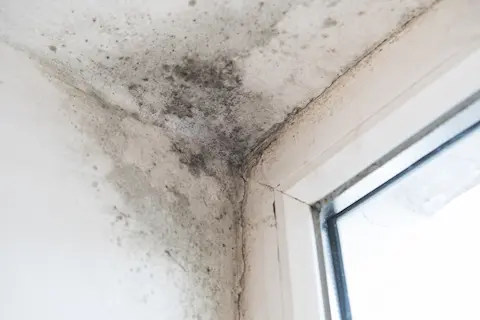
Whole-Home Mold Remediation Process for Huntsville Residences
When mold spreads beyond a single room and infiltrates walls, crawl spaces, attics, and HVAC systems throughout a home, spot treatments are no longer sufficient. Whole-home mold remediation is a structured, multi-phase process that addresses contamination at every level — not just the visible surface growth. For homeowners in Huntsville, where humid summers, heavy seasonal rainfall, and older housing stock create persistent moisture challenges, understanding this process from start to finish helps you ask better questions, set realistic expectations, and avoid costly mistakes during one of the most involved restoration projects a home can require.
Why Whole-Home Remediation Is Different From Spot Treatment
Standard mold treatments focus on isolated patches — a moldy bathroom ceiling, a corner of a basement wall, or a section of drywall behind a dishwasher. Whole-home remediation is a different category of work entirely. It begins with the recognition that mold is a systemic problem, not just a cosmetic one. Spores travel through air, settle into HVAC ductwork, migrate through insulation, and colonize wall cavities that remain invisible until materials are removed.
In Huntsville residences, this kind of widespread contamination often develops after extended periods of elevated humidity, roof leaks that go undetected, flooding from storm events, or chronic condensation problems in crawl spaces and basements. The Tennessee Valley's climate — with its warm, wet springs and humid summers — gives mold exactly the conditions it needs to establish itself throughout a home before residents notice it. By the time you see visible growth in multiple locations or smell persistent musty odors that don't respond to cleaning, mold has likely been colonizing hidden surfaces for weeks or months.
Whole-home remediation addresses the full scope of that contamination in a coordinated sequence. Each phase of the process is designed to prevent cross-contamination, protect occupants, and create conditions where mold cannot reestablish after the project is complete.
Phase One: Inspection and Assessment
Every whole-home remediation project begins with a thorough inspection. This is not a walkthrough — it is a systematic assessment of the entire structure, including areas that are not immediately accessible. Certified remediators use moisture meters, thermal imaging cameras, and borescopes to locate moisture intrusion and hidden mold growth inside walls, under flooring, inside ceiling assemblies, and within the HVAC system.
In Huntsville homes, particularly those built before the 1990s, inspectors pay close attention to crawl spaces, attic insulation, and areas around window frames where condensation has accumulated over years of seasonal temperature swings. Air sampling may be conducted in multiple areas of the home to establish baseline spore counts and identify which mold species are present. This data shapes the remediation plan and informs decisions about which materials can be treated versus which must be removed entirely.
A complete assessment produces a written scope of work that identifies every affected area, outlines the containment strategy, lists materials to be removed or treated, and specifies the post-remediation testing criteria that will be used to verify success. That written scope is the foundation of the entire project.
Phase Two: Preparation and Containment
Before any physical remediation work begins, the home must be prepared to prevent mold spores from spreading to unaffected areas during the removal process. This phase involves establishing containment barriers, managing air pressure differentials, and protecting HVAC systems from contamination.
Containment barriers are built using heavy polyethylene sheeting sealed with tape at every seam, door frame, and penetration point. In a whole-home project, multiple containment zones may be established to isolate different affected areas from one another and from unaffected living spaces. Negative air pressure is maintained inside each containment zone using air scrubbers equipped with HEPA filtration, which draws contaminated air through the filter and exhausts it outside the home. This creates a vacuum effect that prevents spores from migrating out of the work area when materials are disturbed.
HVAC systems are sealed at every register and return air opening. If the ductwork itself is contaminated — which is common in whole-home scenarios — the system remains off and sealed throughout the remediation to avoid redistributing spores through the home. Workers entering and exiting containment zones follow strict decontamination protocols, including the use of full-body suits, respirators rated for mold exposure, and booties that are removed before stepping outside the work area.
Phase Three: Material Removal
Once containment is established, physical removal of contaminated materials begins. Mold-damaged materials that cannot be effectively cleaned — porous materials like drywall, insulation, ceiling tiles, and certain types of flooring — are removed in sections, bagged in sealed polyethylene bags inside the containment zone, and transported out of the home without passing through unaffected spaces.
In Huntsville homes where water damage has been prolonged, this phase often involves more structural material removal than homeowners anticipate. Drywall that appears only slightly stained on the surface may have extensive mold growth on the paper backing and within the wall cavity. Insulation that has absorbed moisture loses its effectiveness and becomes a reservoir for mold growth that cannot be remediated in place. Sub-flooring damaged by crawl space moisture or flooding may require full replacement rather than surface treatment.
Structural wood components — floor joists, wall studs, and roof sheathing — present a different situation. Because wood is semi-porous, surface mold growth on structural members can sometimes be addressed through mechanical cleaning, antimicrobial treatment, and encapsulation without removing the structural element itself. The decision depends on the depth of penetration, the integrity of the wood, and the specific conditions in the affected area. Remediators make these calls on a case-by-case basis after physical examination.
Phase Four: Cleaning and Antimicrobial Treatment
After all unsalvageable materials have been removed, the remaining structural surfaces undergo a multi-step cleaning process. This typically begins with HEPA vacuuming of all exposed surfaces — framing, subfloor, concrete foundation walls, and any other structural elements within the containment zone — to remove loose spore accumulation before wet cleaning begins.
Wire brushing or mechanical abrasion may be applied to structural wood surfaces where mold has penetrated the surface grain. This physical removal step is critical because antimicrobial agents applied to a surface still covered with mold growth have limited effectiveness — the chemistry cannot penetrate through existing biomass to reach the substrate. Cleaning must precede treatment.
Following mechanical cleaning, EPA-registered antimicrobial solutions are applied to all affected surfaces. These agents are formulated to neutralize remaining mold spores and inhibit regrowth on treated surfaces. In some projects, particularly those involving crawl spaces or attics in Huntsville homes where moisture management is an ongoing challenge, an encapsulant coating may be applied over treated structural wood to provide an additional barrier against future growth.
HVAC systems that have been identified as contaminated are cleaned separately. This involves physical cleaning of all accessible duct surfaces, treatment with antimicrobial agents approved for use inside ductwork, cleaning or replacement of coils and drain pans in air handling units, and replacement of all filters. Duct cleaning in the context of mold remediation is a specialized process distinct from routine duct cleaning — it requires the same containment discipline applied to the rest of the home.
Phase Five: Structural Drying
Removing contaminated materials and applying antimicrobial treatment does not address the underlying moisture condition that allowed mold to develop. If surfaces and structural assemblies are not brought to appropriate moisture content before the home is closed back up, mold will return regardless of how thoroughly the remediation work was performed.
Industrial drying equipment — high-capacity dehumidifiers and air movers — is positioned throughout the affected areas and operated continuously until moisture readings in structural materials reach levels specified in the remediation protocol. In Huntsville, where ambient humidity is elevated for much of the year, this phase can take several days and requires monitoring of both equipment performance and material moisture readings to confirm that drying is progressing adequately.
The drying phase is also when any identified moisture sources must be confirmed as corrected. If the original moisture intrusion — a roof leak, plumbing failure, crawl space water infiltration, or inadequate vapor barrier — has not been repaired before remediation work began, drying targets cannot be met and the remediation cannot be completed. Source correction is a prerequisite, not an afterthought.
Phase Six: Reconstruction
Once affected areas have been thoroughly dried and all moisture readings confirm that structural materials are within acceptable ranges, reconstruction can begin. This phase involves replacing materials that were removed during the remediation — new drywall, insulation, flooring, and finish materials — and restoring the affected areas to their pre-damage condition.
Reconstruction in a whole-home remediation project can be substantial. In some Huntsville residences, particularly older homes where moisture problems have been long-standing, reconstruction may involve replacing significant portions of interior finishes, improving ventilation in crawl spaces or attics, upgrading vapor barriers, or installing drainage systems to address chronic water infiltration at the foundation level. These improvements address root causes rather than just repairing damage — they are investments in preventing recurrence.
For Residential Mold removal that encompasses the full reconstruction phase, the same contractor who performed the remediation work typically manages or coordinates reconstruction to ensure that new materials are installed into confirmed-dry conditions and that any moisture management improvements are integrated properly with the restored structure.
Phase Seven: Post-Remediation Verification Testing
Verification testing is what separates professional remediation from surface-level mold treatment. Before containment barriers are removed and the home is returned to occupants, independent testing confirms that remediation work achieved the clearance criteria established in the original scope of work.
Post-remediation verification typically involves visual inspection of all treated areas, surface sampling or air sampling in multiple locations throughout the home, and comparison of results against both the pre-remediation baseline and established clearance benchmarks. In Huntsville, third-party testing performed by an industrial hygienist or certified indoor air quality professional who was not involved in the remediation work provides the most credible verification of results.
Clearance testing results in a written report that documents conditions at the time of testing. This report serves as evidence that remediation was completed to professional standards and is often required by insurance carriers, mortgage lenders, or prospective buyers in real estate transactions involving previously remediated homes.
Common Reasons Whole-Home Remediation Fails
Understanding where whole-home remediation projects go wrong helps homeowners evaluate contractors and avoid outcomes that require additional work. The most common failure points include:
- Incomplete source correction — Remediating without repairing the moisture source guarantees recurrence. No amount of antimicrobial treatment compensates for ongoing water intrusion.
- Inadequate containment — Disturbing mold growth without proper containment spreads spores throughout unaffected areas, expanding the scope of contamination rather than reducing it.
- Skipping material removal — Treating porous materials that should be removed allows mold to persist inside wall cavities and return through treated surfaces.
- No verification testing — Without post-remediation testing, there is no objective evidence that the project succeeded. Homeowners have no basis for confidence that the work was effective.
- Choosing the lowest bid — In a project of this complexity, significant cost differences between bids almost always reflect differences in scope, materials, or process. A bid that is substantially lower than others typically indicates steps being omitted or shortcuts being taken.
Huntsville homeowners considering whole-home remediation should also be aware of the timeline involved. A thorough project — inspection through verification testing — typically spans one to three weeks depending on the extent of contamination and the drying time required. Projects completed in a single day or marketed as quick-turnaround treatments are not addressing the full scope of whole-home contamination.
Working With Certified Professionals in Huntsville
Whole-home mold remediation is regulated work in Alabama, and contractors performing this type of project should hold appropriate certifications and licensing. Look for credentials from recognized industry organizations such as the Institute of Inspection, Cleaning and Restoration Certification (IICRC) or the American Council for Accredited Certification (ACAC), which certify remediators in standards-based mold remediation practices.
Huntsville's residential market includes a mix of construction types and ages — post-war neighborhoods like Five Points, mid-century ranch homes throughout Southeast Huntsville, and newer construction in areas like Harvest and Hampton Cove. Each presents different remediation challenges. Older homes often have less vapor barrier protection in crawl spaces and less insulation in wall cavities, making them more vulnerable to moisture infiltration. Newer homes may have tighter construction envelopes that trap moisture when ventilation is inadequate. Experienced local contractors understand these regional and construction-specific factors and can assess your home accordingly.
If you are uncertain whether your situation requires whole-home remediation or a more targeted approach, a professional inspection is the appropriate starting point. Understanding the actual scope of contamination — through proper assessment, not visual guessing — determines what level of intervention is warranted. You can learn more about what that inspection process involves by reviewing information about residential mold assessment approaches in the Huntsville area.
Whole-home remediation is one of the more significant restoration investments a homeowner can make, but when performed correctly — following the structured phases described here — it produces lasting results. The process is systematic precisely because mold is systematic in how it colonizes a home. Addressing it thoroughly, in the right sequence, with proper verification, gives Huntsville homeowners the confidence that the problem has been resolved rather than temporarily suppressed. For additional resources on related moisture and air quality topics, the site provides guidance relevant to North Alabama residential conditions.
