Basement Mold Removal in Huntsville: Process, Cost, and Timeline
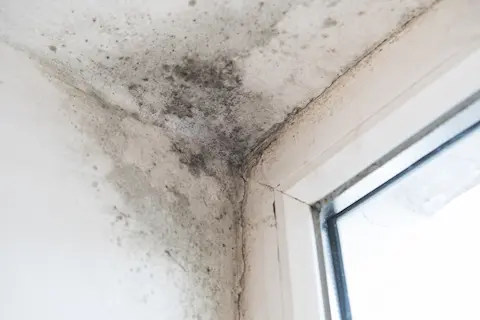
Basements in Huntsville deal with a particular set of challenges that make mold growth almost predictable if conditions aren't managed carefully. The region's clay-heavy soils retain moisture and push hydrostatic pressure against foundation walls, while hot, humid summers drive ambient humidity well above the threshold where mold thrives. Add a finished basement with drywall covering the walls, and you have a setup where mold can colonize behind finished surfaces for months before anyone notices the smell or sees discoloration at the baseboards. Understanding what the remediation process actually involves — and what it realistically costs — helps you approach the situation with clear expectations rather than sticker shock.
Why Huntsville Basements Are Especially Vulnerable
The combination of geology and climate in the Tennessee Valley creates baseline moisture conditions that many homeowners underestimate. During Huntsville's warm months, outdoor air that enters the basement carries high absolute humidity. When that warm, moist air contacts cooler concrete walls or floors, it condenses — and that surface moisture is exactly what mold spores need to germinate. Crawl space moisture migrating upward through slab gaps compounds the issue. Neighborhoods along the floodplain near the Tennessee River, or homes in older Huntsville developments with pre-1980s waterproofing standards, frequently see water infiltration during heavy rain seasons that create persistent wet zones inside walls and under flooring.
Finished basements add a layer of complexity. When mold grows behind drywall or under carpet, it's shielded from visual inspection and continues growing undisturbed. Homeowners often discover it only after the musty odor becomes impossible to ignore, or during a home inspection prior to sale. By that point, contamination may have spread across a larger area than the original moisture source would suggest.
The Remediation Process Step by Step
Professional basement mold remediation in Huntsville follows a structured sequence. Skipping steps — particularly containment or post-remediation verification — leads to recurrence. Here is what a thorough process looks like:
- Moisture assessment and source identification: Before any mold is removed, the moisture source must be found. This means checking for foundation cracks, failed sump pumps, inadequate drainage, plumbing leaks, or HVAC condensation issues. Remediating without addressing the source guarantees regrowth.
- Air testing and scope definition: Spore sampling establishes baseline contamination levels and identifies mold species present. This shapes decisions about how aggressively to treat the space and whether HVAC systems need separate attention.
- Containment setup: Plastic sheeting isolates the work area. Negative air pressure machines with HEPA filtration prevent spores from migrating to unaffected parts of the home during demolition and cleaning.
- Removal of affected materials: In finished basements, this almost always involves removing drywall, insulation, and sometimes subfloor. These materials are porous and cannot be cleaned — they must be bagged and removed. Structural framing that remains is treated and dried.
- HEPA vacuuming and antimicrobial treatment: Surfaces are HEPA-vacuumed to remove spore debris, then treated with EPA-registered antimicrobial agents. Wood framing may also receive encapsulant coatings depending on condition.
- Drying and dehumidification: Commercial desiccant or refrigerant dehumidifiers run in the space until moisture readings in structural materials reach acceptable levels, typically below 16 percent for wood.
- Post-remediation verification: Air or surface sampling after clearance confirms spore levels have returned to normal ranges before the space is rebuilt.
For more context on how this process compares to whole-house situations, the whole-home mold remediation process for Huntsville covers scope decisions across multiple areas of a home.
What Basement Mold Remediation Costs in Huntsville
Cost ranges for basement remediation vary considerably based on size, finish level, and mold extent. Huntsville pricing generally falls within these approximate ranges:
- Unfinished basement, isolated area (under 50 sq ft affected): $800 to $2,500. Typically involves cleaning exposed block or poured concrete walls and treating framing. Material removal is minimal.
- Unfinished basement, larger contamination (50 to 200 sq ft): $2,500 to $5,500. Includes more extensive HEPA treatment, possible framing treatment, and dehumidification runs.
- Finished basement with drywall removal: $4,500 to $12,000+. Drywall, insulation, and sometimes subfloor must come out. Labor and disposal costs climb quickly. Rebuilding the space is a separate cost.
- Finished basement with HVAC involvement: $8,000 to $18,000+. When mold has entered ductwork or air handler components in the basement, full duct cleaning and HVAC treatment adds significant cost.
These figures represent remediation only — they do not include moisture control upgrades or reconstruction of finished surfaces. If the moisture problem driving mold growth requires waterproofing, interior drainage systems, or sump pump upgrades, those costs are separate line items. Huntsville basement waterproofing projects typically range from $3,000 to $12,000 depending on method and linear footage of wall treatment required.
Timeline Expectations
Homeowners often underestimate how long the full process takes when they factor in every stage. Active remediation work in a basement usually takes two to four days for moderate projects. But the timeline from discovery to finished, rebuilt space looks more like this:
- Assessment and scheduling: 3 to 7 days depending on contractor availability and whether a third-party inspector is involved
- Active remediation: 2 to 5 days depending on scope
- Drying phase: 3 to 7 days with commercial equipment running continuously
- Post-remediation testing: 1 to 2 days for sampling and lab results
- Moisture control work (if needed): 1 to 5 days depending on waterproofing method
- Reconstruction scheduling: Highly variable — often 2 to 6 weeks for a contractor to begin finishing work
Total time from discovery to usable finished space: typically 6 to 12 weeks for a finished basement project of moderate scope. Rushing the drying phase or skipping clearance testing to save time frequently results in mold returning within a single humid season.
Moisture Control: The Step That Determines Whether Mold Returns
Remediation removes existing mold, but it does not change the conditions that allowed mold to grow. Huntsville homeowners who invest in remediation without addressing moisture control commonly face recurrence within one to two years. Effective moisture management for a Huntsville basement typically includes at least some combination of the following:
- Vapor barriers: Heavy-gauge poly sheeting on exposed crawl space floors or interior walls reduces moisture transfer from soil
- Interior drainage systems: French drains or perimeter channel systems redirect groundwater before it enters the living space
- Sump pump installation or upgrade: Critical in Huntsville neighborhoods where high water tables are known to affect lower-lying lots
- Dehumidifier installation: A dedicated basement dehumidifier running during warm months keeps relative humidity below 60 percent, the threshold below which mold growth is significantly slowed
- Exterior grading and downspout extensions: Simple but often overlooked — ensuring water drains away from the foundation rather than pooling against it
Homeowners in areas like Madison County's older subdivisions, South Huntsville developments near the foothills, and neighborhoods in the floodplain areas off Research Park Boulevard should consider moisture control a standard investment, not an optional upgrade.
Finished Basement Mold: What Rebuilding Costs
Once remediation and moisture control are complete, you still need to rebuild the finished basement if drywall, flooring, and insulation were removed. This phase is handled by general contractors or finish carpenters, not mold remediators. Rebuilding a typical finished basement section in Huntsville — framing, insulation (usually closed-cell spray foam or rigid foam board, not fiberglass batts, which hold moisture), drywall, paint, and flooring — generally runs $25 to $50 per square foot for a basic finish. A 400-square-foot affected area could cost $10,000 to $20,000 to restore to livable condition. This rebuild cost is entirely separate from the remediation invoice.
Some homeowners choose this moment to upgrade their basement finish using moisture-resistant materials: paperless drywall, luxury vinyl plank flooring, and spray foam insulation instead of fiberglass. The incremental cost is modest compared to the overall project, and it meaningfully reduces future moisture sensitivity.
Choosing a Remediation Contractor in Huntsville
Not all contractors offering mold removal in Huntsville follow the same standards. When evaluating providers, ask specifically about their containment procedures, whether they use HEPA-filtered negative air machines during demolition, and whether post-remediation clearance testing is included or offered. Contractors who recommend skipping air sampling, either before or after remediation, are cutting corners that matter. Third-party clearance testing — meaning testing done by someone other than the company that did the work — is the most reliable confirmation that remediation was successful.
For Residential Mold removal in a basement or any part of your home, the standard of care matters as much as the price. Remediation done correctly the first time is significantly less expensive than a second round of remediation after a rushed or incomplete job allows mold to return within a year.
