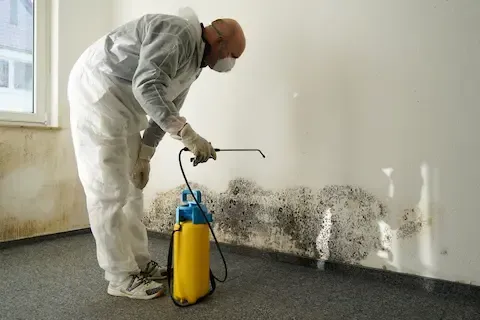
Black Mold Health Effects on Huntsville Children and Elderly Residents
Black mold exposure is a serious concern for any household, but the health consequences are not distributed equally. In Huntsville homes—where summer humidity regularly drives indoor moisture levels into the danger zone—children and elderly residents bear a disproportionate share of the risk. Understanding why these groups are more vulnerable, what symptoms to watch for, and how quickly a response should happen can make a genuine difference in long-term health outcomes.
Why Vulnerable Populations Face Greater Risk from Mold Exposure
The human immune system is the primary defense against the mycotoxins and spore particles released by black mold, scientifically classified as Stachybotrys chartarum. Children's immune systems are still developing, which means their bodies are less equipped to neutralize airborne toxins before tissue damage occurs. The elderly face the opposite problem: immune function that has weakened over decades, often compounded by pre-existing respiratory conditions like COPD, asthma, or heart disease. Both groups also tend to spend more time indoors, increasing cumulative exposure compared to working-age adults who leave the home for extended periods each day.
Immunocompromised individuals—those undergoing chemotherapy, living with autoimmune disorders, or recovering from organ transplants—face comparable risks regardless of age. If your Huntsville household includes anyone in these categories, mold should be treated as a medical priority, not a maintenance inconvenience.
Symptoms of Black Mold Exposure in Children
Children's symptoms frequently overlap with common childhood illnesses, which makes black mold exposure easy to miss or misattribute. Parents and caregivers should take note when symptoms are persistent, worsen at home, and improve when the child spends time elsewhere. Common indicators include:
- Chronic coughing or wheezing that does not respond to standard cold treatment
- Frequent nosebleeds, particularly in dry indoor environments where mold is already suspected
- Eye irritation, including redness, watering, and sensitivity to light
- Skin rashes with no clear allergic trigger identified by a physician
- Fatigue and difficulty concentrating in school-age children
- Recurring respiratory infections, including multiple bouts of bronchitis or sinus infection within a single season
In infants, exposure to mycotoxins has been linked in case literature to pulmonary hemorrhage, though research continues on dose-response thresholds. Any unexplained respiratory distress in an infant living in a home with known or suspected mold contamination warrants immediate medical evaluation and prompt remediation.
Symptoms of Black Mold Exposure in Elderly Residents
Older adults in Huntsville homes often interpret mold-related symptoms as natural aging or flare-ups of chronic conditions they already manage. This is one of the most dangerous aspects of late-stage mold contamination in homes with elderly occupants. Symptoms to distinguish and monitor include:
- Unexplained worsening of asthma or COPD without a clear environmental trigger like pollen season
- Persistent fatigue that goes beyond ordinary tiredness, affecting daily function
- Cognitive changes including memory lapses or difficulty with concentration, sometimes described as "brain fog"
- Increased frequency of respiratory infections, including pneumonia, which is particularly dangerous in older populations
- Joint pain and headaches that appear or intensify without other explanation
- Mucus membrane irritation—chronic sore throat, nasal congestion, or dry cough
Elderly residents who live alone are particularly at risk because there may be no second observer noticing gradual symptom progression. A caregiver or family member who visits regularly should be aware of visible mold indicators in the home—dark staining on walls, musty odors in bathrooms or basements, discoloration around HVAC vents—because the resident may have habituated to the smell or assumed the symptoms were unrelated.
Indoor Conditions That Amplify Risk in Huntsville Homes
Huntsville's climate creates a favorable environment for mold growth across much of the year. Humid summers push indoor relative humidity above 60 percent in homes with inadequate air conditioning or poor ventilation. Crawl spaces beneath older homes in the Madison County area frequently accumulate moisture from ground contact and inadequate vapor barriers. Attics with insufficient ridge venting trap heat and condensation that migrates down into wall cavities.
For a household with young children or aging parents, these structural vulnerabilities translate directly into elevated health risk. Mold colonies that establish in HVAC systems are particularly dangerous because forced air distribution spreads spores to every room simultaneously. If you notice musty air coming from supply vents, that is a signal to have the system inspected before the problem escalates.
Reviewing our Huntsville black mold identification and removal guide can help you understand what visible mold looks like, where it typically forms in local homes, and how to assess whether a problem is contained or has spread beyond surface areas.
How Quickly Should a Response Happen
When a household includes children under twelve, adults over sixty-five, or immunocompromised individuals, the timeline for response should compress significantly compared to a standard remediation timeline. Delaying action by weeks while gathering multiple quotes or waiting for a convenient schedule window adds measurable cumulative exposure for people whose bodies are least able to handle it.
As a practical framework, consider the following response priorities:
- Within 24 hours of confirmed mold discovery: Seal off the affected area from occupied living spaces where possible. Increase fresh air ventilation if outdoor humidity allows. Move vulnerable household members to unaffected areas of the home or, if contamination is widespread, to alternative accommodations.
- Within 48 to 72 hours: Contact a licensed remediation contractor and request an assessment. For households with medically vulnerable occupants, communicate this context explicitly when scheduling—it may affect sequencing and containment protocols.
- Concurrently: Consult a physician about the exposed individual's symptoms. Documentation of health effects in the context of mold exposure is important both for medical treatment and for any subsequent communication with landlords or insurance providers.
What Professional Remediation Addresses That DIY Cannot
Surface cleaning with antimicrobial sprays addresses visible mold growth but does not resolve spore contamination in air, within porous building materials, or inside HVAC ductwork. In a home with elderly or pediatric occupants, disturbing a mold colony without proper containment can temporarily increase airborne spore concentrations to levels that trigger acute respiratory events in sensitive individuals.
Professional remediation includes negative air pressure containment, HEPA filtration, and post-remediation air quality verification through clearance testing. These steps are not optional extras in a vulnerable-occupant household—they are the standard of care that actually resolves the health risk rather than relocating it.
If your Huntsville home has confirmed black mold and your household includes children, elderly family members, or anyone with a compromised immune system, engaging qualified professionals is the appropriate response. Black Mold Remediation services conducted by certified contractors follow containment and clearance protocols that protect occupants throughout the process, not just at the point of visible mold removal.
A Note on Long-Term Health Monitoring
Even after successful remediation, individuals who experienced significant mold exposure—especially children and elderly adults—should be monitored by a physician for several months. Mycotoxin-related inflammation can persist after the source is eliminated. Respiratory sensitivity may remain elevated, and some neurological effects linked to chronic exposure benefit from ongoing assessment. Huntsville families who have gone through remediation are well advised to schedule a follow-up medical visit for affected household members and to maintain indoor humidity below 50 percent year-round using monitored dehumidification as a preventive measure going forward.
