Why Huntsville's Long Cooling Season Causes HVAC Mold Growth
Huntsville's exceptionally long cooling season, stretching from April through October, creates a perfect storm for HVAC mold growth. While most regions experience 4-5 months of heavy air conditioning use, North Alabama's climate demands consistent cooling for over seven months annually. This extended operation cycle means your HVAC system runs in condensation-producing mode far longer than systems in more temperate climates, creating persistent moisture conditions that fuel mold development throughout your ductwork and air handling components.
Extended Condensation Cycles in Huntsville HVAC Systems
Your air conditioning system generates condensation as a natural byproduct of the cooling process. When warm, humid air passes over cold evaporator coils, moisture condenses and typically drains away through designated channels. However, Huntsville's prolonged cooling season means this condensation process occurs almost continuously from spring through fall, creating multiple opportunities for moisture accumulation in areas where drainage may be incomplete or compromised.
The Tennessee Valley's high humidity levels compound this issue significantly. During peak summer months, outdoor humidity routinely exceeds 70%, while your AC system works to maintain indoor humidity around 50%. This substantial humidity differential requires intensive dehumidification, producing larger volumes of condensation that must be properly managed to prevent mold establishment.
Professional HVAC Mold Remediation becomes necessary when this moisture management fails, allowing mold colonies to establish themselves in your system's dark, humid environment.
Primary Mold Formation Locations Within HVAC Components
Mold development follows predictable patterns within HVAC systems, concentrating in areas where moisture persists and air circulation remains limited. The evaporator coil housing represents the most vulnerable location, as this component operates at the coldest temperatures and experiences the highest condensation rates. Organic debris, including dust and pollen, accumulates on coil surfaces and provides nutrition for mold spores that inevitably enter through the air intake.
Drain pans beneath evaporator coils frequently harbor standing water, especially when drainage becomes sluggish due to biofilm buildup or debris accumulation. These shallow pools create ideal breeding grounds for mold, which then becomes airborne as your system operates and distributes spores throughout your home.
Ductwork presents additional colonization sites, particularly in sections where condensation occurs due to poor insulation or temperature differentials. Flexible ducts prove especially susceptible, as their ribbed interior surfaces trap moisture and debris while remaining difficult to clean thoroughly. Return air ducts near floor level often collect higher moisture levels and organic material, accelerating mold establishment.
Humidity and Temperature Factors Specific to North Alabama
Huntsville's climate characteristics create unique challenges for HVAC moisture control. The region experiences frequent temperature swings during transitional seasons, causing your system to cycle on and off repeatedly. These short cycling patterns prevent complete moisture removal from system components, leaving residual dampness that supports mold growth between operating periods.
Spring and fall shoulder seasons prove particularly problematic, as outdoor temperatures may fluctuate 20-30 degrees daily. Your HVAC system struggles to maintain consistent dehumidification during these periods, often shutting down before achieving complete moisture extraction from coils and drain components.
The Tennessee Valley's topography contributes additional moisture challenges, as the region's bowl-like geography traps humid air masses. This geographic moisture retention means your HVAC system encounters consistently high humidity loads, working harder and longer to achieve target comfort levels while generating more condensation in the process.
Health Implications of Extended Mold Exposure
Prolonged exposure to HVAC-distributed mold spores creates serious health concerns for Huntsville residents. Unlike isolated mold growth in bathrooms or basements, HVAC mold contamination affects every room in your home through forced air circulation. Each time your system operates, it potentially distributes mold spores, mycotoxins, and bacterial byproducts throughout your living spaces.
Respiratory symptoms typically appear first, including persistent coughing, throat irritation, and increased asthma frequency. Individuals with compromised immune systems, including elderly residents and young children, face elevated risks from continuous low-level mold exposure. The extended nature of Huntsville's cooling season means these exposures continue for months rather than weeks, potentially leading to chronic health issues.
Indoor air quality degradation becomes cumulative as mold colonies mature and expand within your HVAC system. What begins as subtle musty odors can progress to significant air quality issues requiring comprehensive remediation and system cleaning.
Prevention Strategies for Long Cooling Seasons
Effective mold prevention requires proactive moisture management throughout Huntsville's extended cooling period. Regular drain pan maintenance prevents standing water accumulation, while ensuring proper condensate drainage eliminates the primary moisture source for mold establishment. Monthly inspection of drain lines and prompt clearing of any blockages maintains proper water flow away from system components.
Filter replacement frequency should increase during peak cooling months, as higher system operation leads to faster filter saturation. Clean filters maintain proper airflow across evaporator coils, promoting complete moisture removal and preventing the stagnant conditions that encourage mold growth. High-efficiency filters capture more mold spores but require more frequent replacement to prevent airflow restriction.
Ductwork inspection and sealing addresses condensation issues that occur when conditioned air contacts warm surfaces through leaks or poor insulation. Professional duct sealing eliminates these temperature differential problems while improving overall system efficiency. An experienced HVAC mold removal guide for Huntsville can provide detailed prevention protocols specific to your system configuration.
Professional Assessment and Remediation Timing
Early detection of HVAC mold growth allows for less invasive and more cost-effective remediation approaches. Annual professional inspections should occur before peak cooling season begins, typically in March or April, allowing time for any necessary remediation before heavy system use commences. These assessments identify vulnerable areas and developing problems before they become major contamination issues.
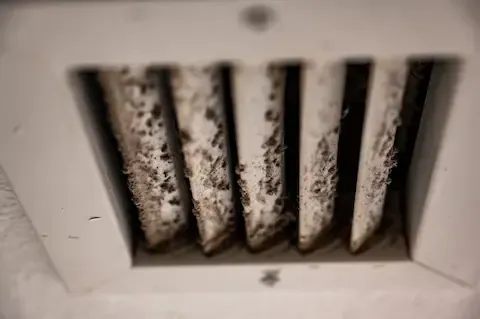
Signs requiring immediate professional evaluation include persistent musty odors when your system operates, visible mold growth around vents or on accessible ductwork, and increased respiratory symptoms among household members. Unusual humidity levels despite normal system operation may indicate hidden moisture problems within your HVAC components.
Professional remediation becomes necessary when mold growth extends beyond surface contamination into porous materials or when contamination affects multiple system components. Attempting DIY cleanup of established HVAC mold often spreads contamination to previously clean areas and may damage sensitive system components.
Long-term System Health and Efficiency
Mold contamination significantly impacts HVAC system performance and longevity. Biological growth on heat exchanger surfaces reduces thermal transfer efficiency, forcing your system to operate longer to achieve desired temperatures. This extended operation increases energy consumption while accelerating component wear and reducing overall system lifespan.
Blocked drainage systems cause water backup that can damage electrical components, corrode metal surfaces, and create additional moisture problems throughout your home. The costs associated with major component replacement often exceed the investment in professional mold prevention and early intervention services.
Maintaining clean, mold-free HVAC systems becomes particularly important in Huntsville's climate, where system reliability during extended cooling periods directly affects comfort, health, and energy efficiency. Regular professional maintenance and prompt attention to moisture issues protect both your investment and your family's wellbeing throughout the region's demanding cooling seasons.
