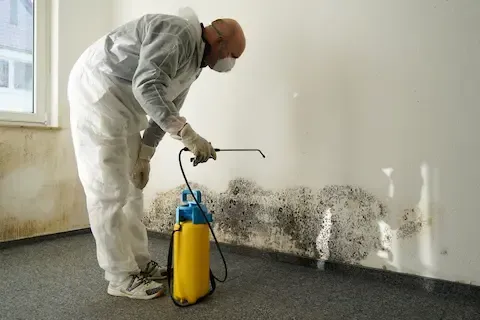
Is Black Mold in My Huntsville Home Actually Toxic?
Not all black-colored mold in your Huntsville home is toxic. The mold most people fear — Stachybotrys chartarum — is just one of thousands of mold species, and color alone cannot identify it. Genuinely toxic black mold produces mycotoxins that can cause serious health effects, but many dark-colored molds are relatively harmless nuisances. The only reliable way to confirm whether you have Stachybotrys in your home is through professional testing. If you find mold that appears slimy, grows in areas with chronic water damage, or causes persistent symptoms in your household, treat it seriously and get it evaluated.
What Makes Black Mold "Toxic" in the First Place?
The term "toxic mold" refers specifically to molds that produce mycotoxins — chemical compounds that can harm human health when inhaled, ingested, or absorbed through skin contact. Stachybotrys chartarum is the most well-known mycotoxin-producing mold, but it is not the only one. Certain species of Aspergillus, Penicillium, and Fusarium also produce mycotoxins under the right conditions. The key point is that toxicity is a biological property determined in a laboratory, not something visible to the naked eye. A mold being dark or black in appearance tells you nothing about whether it is producing mycotoxins.
How Is Stachybotrys Different From Other Dark Molds?
Stachybotrys chartarum has a few distinguishing characteristics, though none are definitive without testing. It typically has a slimy, wet texture and tends to appear in areas that have experienced prolonged moisture exposure — think flooded basements, water-damaged drywall, or chronically leaking ceilings. It grows slowly compared to other molds and often appears in overlapping patches with a dark greenish-black color. Common dark molds like Cladosporium or Alternaria look similar but tend to have a powdery or fuzzy texture and grow in drier environments. In Huntsville homes, where humid summers create ideal mold conditions, both types can appear after water intrusion events. Visual inspection alone cannot distinguish them — laboratory analysis is required.
What Health Symptoms Should I Watch For?
If someone in your household develops symptoms that worsen indoors and improve when they leave the home, mold exposure could be a factor. Common symptoms associated with mold exposure include:
- Persistent coughing or wheezing
- Nasal congestion and sinus irritation
- Eye irritation, redness, or watering
- Skin rashes or irritation
- Fatigue or headaches that have no other explanation
Symptoms linked specifically to Stachybotrys mycotoxin exposure can be more severe, including respiratory bleeding in infants, immune suppression, and neurological effects with prolonged exposure. However, these serious outcomes are associated with heavy, sustained exposure — not brief encounters. If symptoms are present and you suspect mold, medical evaluation and professional mold testing are both warranted. Residents in the Madison County area who have experienced flooding or extended water damage should be particularly attentive to these warning signs.
Can I Tell Just by Looking at It?
No — and this is one of the most important things to understand. Homeowners in Huntsville frequently discover dark mold growth and immediately assume the worst, or conversely, dismiss genuinely hazardous mold because it doesn't match their mental image. The reality is that color, texture, and location give you clues — not answers. A trained inspector using air sampling and surface swabs sent to an accredited laboratory can tell you specifically what genus and species are present and at what concentration. That information is what actually guides a remediation strategy. For a deeper look at how mold gets identified and removed, the Huntsville black mold identification and removal guide covers the full process in detail.
Should I Remove It Myself or Call a Professional?
For small, isolated patches of mold on non-porous surfaces — less than 10 square feet — the EPA generally considers DIY cleanup acceptable using appropriate protective gear and antifungal cleaners. However, if the growth is larger, located inside walls or HVAC systems, or you suspect Stachybotrys based on the location and conditions, professional remediation is strongly recommended. Disturbing toxic mold without proper containment can release massive quantities of spores into your air, dramatically worsening exposure for everyone in the home. Black Mold Remediation performed by certified professionals includes containment barriers, negative air pressure, HEPA filtration, and proper disposal — safeguards that DIY approaches cannot replicate. In Huntsville's climate, where mold can return quickly without addressing the underlying moisture source, professional remediation also includes source correction guidance to prevent recurrence.
When Is Testing Worth the Cost?
Testing is worth it when the stakes are high. If you are purchasing a home in the Huntsville area and there are visible mold stains or a history of water damage, pre-purchase mold testing gives you leverage and peace of mind. If household members have unexplained chronic symptoms, testing can either confirm or rule out mold as a cause. If you have completed remediation and want confirmation that the work was effective, post-remediation clearance testing is the only objective measure. Testing is less useful as a random precautionary measure in homes with no visible mold, no moisture history, and no symptoms — in those cases, the baseline results rarely change anything actionable.
